
Healthcare practices today face growing administrative pressure. From appointment scheduling and insurance verification to patient communication and documentation, managing daily operations can quickly overwhelm in-house staff. This is where a medical virtual assistant can make a significant difference.
A medical virtual assistant helps healthcare providers reduce administrative workload, improve patient experience, and increase operational efficiency without the cost of hiring additional in-office employees. Whether you run a private clinic, medical billing company, telehealth practice, or specialty healthcare center, virtual support can streamline your workflow and allow providers to focus more on patient care.
What Is a Medical Virtual Assistant?
A medical virtual assistant is a remote healthcare support professional who assists medical practices with administrative, operational, and patient coordination tasks. These professionals are trained in healthcare workflows, HIPAA compliance, scheduling systems, EMRs, insurance processes, and patient communication.
Unlike a traditional assistant working on-site a healthcare virtual assistant works remotely while still integrating into your daily operations.
What Does a Virtual Medical Assistant Do?
A virtual healthcare medical assistant may handle:
- Appointment scheduling
- Insurance verification
- Medical billing support
- Patient follow-ups
- Electronic medical records (EMR) updates
- Prior authorization coordination
- Phone and email management
- Data entry and documentation
Their role is designed to reduce staff burden while improving efficiency and patient satisfaction.
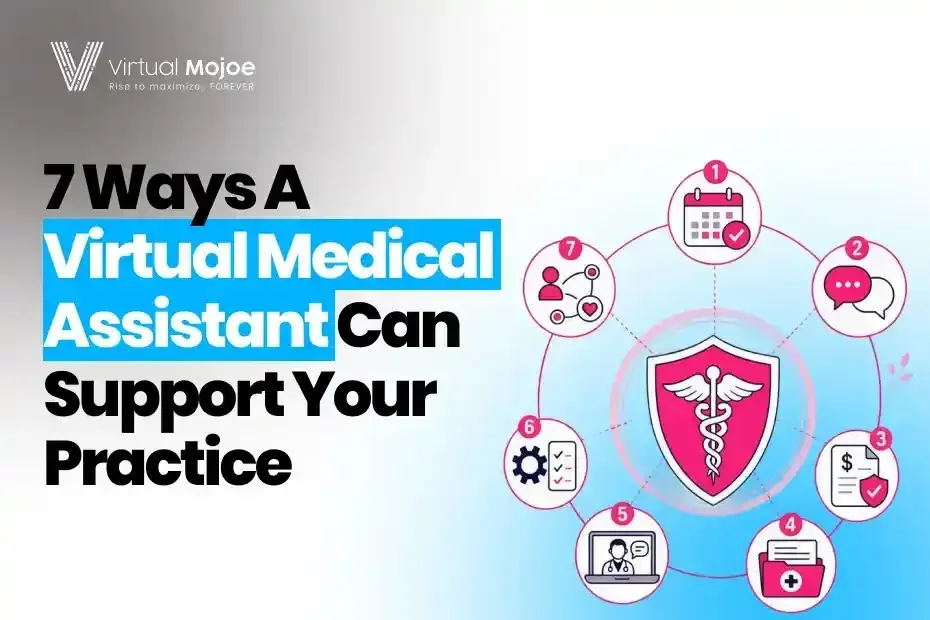
1. Improves Appointment Scheduling and Calendar Management
One of the most time-consuming tasks in any medical office is managing appointments. Missed calls, scheduling conflicts and no-shows can negatively impact productivity and revenue.
A virtual medical personal assistant can manage your appointment calendar by:
- Scheduling patient visits
- Sending reminders
- Rescheduling cancellations
- Confirming appointments
- Coordinating telehealth sessions
This creates a smoother scheduling system and reduces front-desk workload. Automated reminders and organized calendars also help lower patient no show rates.
Benefits for Your Practice
- Better patient flow
- Reduced scheduling errors
- Increased provider productivity
- Improved patient communication
2. Enhances Patient Communication and Support
Patients expect fast and professional communication from healthcare providers. Delayed responses can lead to frustration and poor patient experiences.
A virtual assistant in healthcare can provide timely support through:
- Phone answering services
- Email management
- Live chat support
- Patient intake coordination
- Follow-up communication
Virtual medical assistance expertise allows healthcare providers to maintain consistent communication without overwhelming in-house staff.
Why It Matters
Strong communication improves patient trust, satisfaction, and retention. Patients feel valued when their questions and concerns are addressed quickly and professionally.
3. Helps Reduce Administrative Burden
Administrative overload is one of the biggest causes of burnout in healthcare practices. Physicians and office staff often spend more time on paperwork than patient care.
A healthcare virtual assistant can handle repetitive administrative tasks such as
- Data entry
- EMR updates
- Form processing
- Document organization
- Referral coordination
- Insurance eligibility checks
This support allows medical teams to focus on clinical responsibilities rather than operational distractions.
Operational Advantages
- Improved workflow efficiency
- Less staff burnout
- Faster administrative processing
- Better organization and record management
4. Supports Medical Billing and Insurance Tasks
Medical billing errors can delay reimbursements and affect revenue cycle performance. A trained medical virtual assistant can assist with billing-related tasks and improve accuracy.
Common Billing Support Services
- Insurance verification
- Claims follow-ups
- Payment posting
- Prior authorization assistance
- Denial management support
- Patient billing coordination
Many providers now rely on virtual medical assistant services to strengthen revenue cycle operations while reducing overhead costs.
Financial Benefits
- Faster claims processing
- Reduced billing errors
- Improved cash flow
- Better reimbursement tracking
5. Increases Practice Efficiency and Productivity
When providers spend less time managing administrative tasks, they can focus more on patient care and practice growth.
A virtual healthcare medical assistant improves productivity by streamlining workflows and reducing operational bottlenecks.
Tasks That Improve Efficiency
- Organizing patient records
- Managing provider schedules
- Coordinating referrals
- Handling inbound communication
- Supporting telemedicine operations
This increased efficiency can lead to shorter wait times, better patient experiences, and smoother day-to-day operations.
6. Provides Cost-Effective Staffing Support
Hiring full-time in-house employees can be expensive. Salaries, office space, training, benefits, and equipment all increase operational costs.
A medical virtual assistant offers a more flexible and cost-effective solution.
Cost Advantages
- Lower overhead expenses
- No additional office space required
- Flexible staffing options
- Scalable support based on practice needs
For small and mid-sized practices, outsourcing to the best virtual assistant services for medical practice can significantly reduce operational cost while maintaining professional support.
7. Supports Practice Growth and Scalability
As medical practices grow, administrative demands also increase. Expanding your support team traditionally requires more office space and staffing resources.
Virtual medical assistant services make scaling easier by providing remote support that grows with your practice.
How Virtual Support Helps Growth
- Handles increasing patient volume
- Supports multi-location practices
- Assists expanding telehealth services
- Improves operational consistency
- Reduces staffing limitations
This flexibility allows healthcare providers to grow strategically without sacrificing efficiency or patient care quality.
How to Choose the Right Medical Virtual Assistant
Not all virtual assistant providers offer the same level of healthcare expertise. Choosing the right support partner is essential for maintaining compliance, efficiency, and professionalism.
Look for These Qualities
- Healthcare industry experience
- HIPAA compliance knowledge
- EMR and billing software familiarity
- Strong communication skills
- Reliable availability
- Proven virtual medical assistance expertise
A qualified healthcare virtual assistant should integrate smoothly into your workflow while supporting your operational goals.
Frequently Asked Questions (FAQs)
What does a virtual medical assistant do?
A virtual medical assistant handles administrative and operational healthcare tasks remotely, including scheduling, patient communication, billing support, insurance verification, EMR updates, and documentation.
Are virtual medical assistant services HIPAA compliant?
Yes, reputable virtual medical assistant services follow HIPAA compliance standards to protect patient information and maintain healthcare data security.
Can a healthcare virtual assistant help with medical billing?
Yes, many healthcare virtual assistants assist with insurance verification, claims follow-ups, payment posting, and billing coordination to support revenue cycle management.
Is a virtual assistant in healthcare cost-effective?
Yes, hiring a virtual assistant in healthcare reduces overhead costs associated with in-office staffing, including office space, equipment, and employee benefits.
What are the best virtual assistant services for medical practice?
The best virtual assistant services for medical practice provide healthcare-trained professionals with experience in EMR systems, patient communication, scheduling, billing support, and HIPAA compliance.
Conclusion
A medical virtual assistant can transform the way healthcare practices manage daily operations. From scheduling and patient communication to billing support and workflow management, virtual assistants help improve efficiency while reducing administrative stress.
As healthcare demands continue to grow, more providers are turning to virtual medical assistant services to streamline operations, lower costs, and enhance patient experiences. Whether you run a small clinic or a growing healthcare organization, virtual support can help your practice operate more effectively and scale with confidence.
If you're looking to improve productivity and focus more on patient care, investing in a healthcare virtual assistant may be the next smart step for your practice.