
Medical offices handle a constant stream of phone calls, appointment requests, prescription refill inquiries, and patient questions every day. As patient volumes increase, front-desk teams can quickly become overwhelmed, leading to missed calls, scheduling errors, and communication delays.
A virtual medical receptionist helps solve these challenges by providing professional remote support for patient communication and administrative tasks. Instead of hiring additional in-house staff, healthcare providers can leverage virtual receptionist services to manage front-office responsibilities efficiently while maintaining excellent patient experiences. For many practices, virtual reception support offers a scalable and cost-effective way to improve operations without increasing overhead.
What Is a Virtual Medical Receptionist?
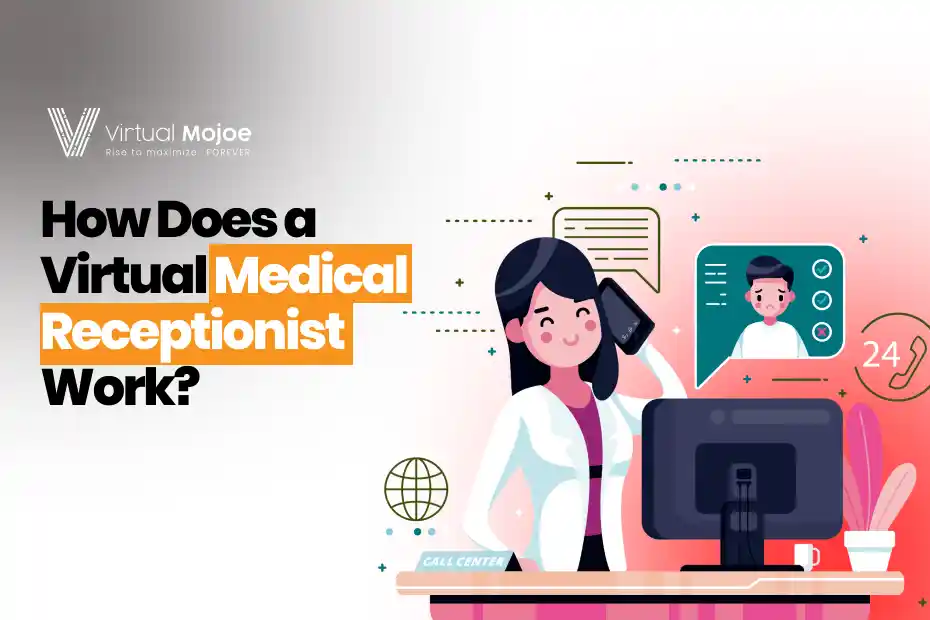
A Virtual Medical Receptionist is a remote healthcare support professional who manages patient communication, scheduling, and front-office administrative tasks on behalf of a medical practice.
Unlike a traditional receptionist who works physically inside the office, a virtual receptionist operates remotely using secure communication systems, scheduling software, and healthcare technology platforms. Patients experience the same professional support, often without realizing the receptionist is working remotely.
Healthcare organizations increasingly adopt virtual support because it provides flexibility, improves responsiveness, and reduces the burden on in-house administrative staff.
What does a virtual medical receptionist do?
A virtual medical receptionist answers patient calls, schedules appointments, manages cancellations, collects basic patient information, sends reminders, and routes urgent concerns to appropriate staff members. Their primary goal is to ensure smooth communication between patients and the healthcare practice.
How Does a Virtual Medical Receptionist Work on a Daily Basis?
A typical day for a virtual receptionist medical professional revolves around managing patient interactions and supporting office workflows.
When patients call the practice, the receptionist answers incoming calls, assists with scheduling requests, and addresses routine questions. If a patient needs to reschedule an appointment, the receptionist updates the calendar and confirms the new appointment time.
Throughout the day, the medical virtual receptionist may:
- Schedule new patient appointments
- Handle appointment changes and cancellations
- Confirm upcoming visits
- Collect patient demographic information
- Forward clinical questions to medical staff
- Route urgent patient concerns appropriately
Many virtual receptionists also send automated reminders and confirmations to help reduce no-shows and improve appointment attendance.
By managing these communications consistently, they help maintain an organized and efficient patient scheduling process.
Key Tasks Handled by a Medical Office Virtual Receptionist
A medical office virtual receptionist supports multiple front-office functions that keep daily operations running smoothly.
Appointment Scheduling and Calendar Management
Scheduling is one of the most important responsibilities.
Tasks often include:
- Booking appointments
- Managing provider calendars
- Coordinating follow-up visits
- Handling rescheduling requests
- Reducing scheduling conflicts
Patient Call Answering and Message Taking
Virtual receptionists serve as the first point of contact for many patients.
Common responsibilities include:
- Answering incoming calls
- Providing office information
- Taking detailed messages
- Routing calls to the appropriate department
- Escalating urgent concerns
Insurance and Patient Information Collection
Receptionists frequently gather information needed before appointments, including:
- Insurance details
- Contact information
- Referral information
- Demographic updates
This helps reduce administrative work during patient visits.
Appointment Reminders and Follow-Ups
Consistent communication improves attendance rates.
Receptionists may:
- Send appointment reminders
- Confirm upcoming visits
- Notify patients of schedule changes
- Conduct follow-up outreach when needed
New Patient Intake Support
Virtual receptionists often assist with onboarding new patients by:
- Collecting preliminary information
- Explaining intake requirements
- Providing appointment instructions
- Coordinating paperwork completion
How Virtual Receptionists Improve Patient Experience
Patients expect quick responses and convenient communication. Delays can negatively affect satisfaction and trust.
A virtual receptionist healthcare solution helps improve the patient experience by providing:
Faster Response Times
Patients receive assistance quickly rather than waiting for busy office staff to become available.
Reduced Hold Times
More calls are answered promptly, reducing frustration and abandoned calls.
Improved Communication
Patients receive clear appointment confirmations, reminders, and updates.
Better Appointment Management
Efficient scheduling minimizes errors and reduces confusion.
Enhanced Patient Satisfaction
When communication improves, patients often feel more supported and valued by their healthcare provider.
Technology Behind a Virtual Medical Receptionist
Modern virtual reception services rely on secure technology platforms to support healthcare operations.
VoIP Phone Systems
Cloud-based phone systems allow receptionists to answer calls remotely while maintaining professional call routing and management.
Scheduling Software
Receptionists access appointment calendars and scheduling platforms to coordinate patient visits efficiently.
EHR Integration
Many virtual reception services work alongside Electronic Health Record (EHR) systems to streamline information management and scheduling workflows.
HIPAA-Compliant Communication Tools
Secure communication platforms help protect sensitive patient information while maintaining regulatory compliance.
Secure Patient Information Management
Healthcare-focused virtual reception services use security protocols and access controls to support patient privacy requirements.
Who Can Benefit Most from Virtual Medical Receptionist Services?
Healthcare organizations often evaluate how medical administrative assistant works differ from patient-facing support. Understanding these distinctions can help determine whether a virtual receptionist for medical practice is the right solution.
Examples include:
- Independent physicians
- Family medicine practices
- Specialty clinics
- Telehealth providers
- Dental practices
- Physical therapy clinics
- Behavioral health providers
- Multi-provider healthcare groups
Practices experiencing growth or staffing challenges often see significant operational improvements after implementing virtual reception support.
Signs Your Practice May Need a Virtual Medical Receptionist
Consider virtual receptionist services if the following challenges sound familiar:
Practice Checklist
✔ Staff frequently miss incoming calls
✔ Scheduling errors occur regularly
✔ Front-desk employees feel overwhelmed
✔ Patients complain about communication delays
✔ Appointment reminders are inconsistent
✔ Administrative workload affects productivity
✔ Providers spend excessive time handling non-clinical tasks
✔ Patient satisfaction scores are declining
If several of these issues apply to your practice, virtual reception support may help improve efficiency and communication.
Choosing the Best Virtual Medical Receptionist for Your Practice
Selecting the best virtual medical receptionist requires evaluating both healthcare expertise and operational capabilities.
Look for providers that offer:
Healthcare Experience
The team should understand medical office workflows, patient communication standards, and healthcare terminology.
HIPAA Compliance
Patient privacy and security should be a top priority.
Availability and Responsiveness
Choose a provider that offers reliable coverage during your practice's operating hours.
Technology Compatibility
Ensure they can work with your scheduling software, communication tools, and existing systems.
Scalability
The service should grow alongside your practice as patient volumes increase.
When evaluating the best virtual receptionist for medical offices, prioritize healthcare-specific experience rather than general receptionist services.
Frequently Asked Questions
What does a virtual medical receptionist do?
A virtual medical receptionist manages patient communication, appointment scheduling, call handling, reminders, and administrative support tasks remotely. They help healthcare practices improve front-office efficiency while ensuring patients receive timely and professional assistance.
Can a virtual medical receptionist schedule appointments?
Yes. Virtual medical receptionists commonly schedule new appointments, manage provider calendars, process cancellations, handle rescheduling requests, and send appointment confirmations. Many work directly within the practice's scheduling platform.
Is a virtual medical receptionist HIPAA compliant?
Many healthcare-focused virtual receptionist providers use HIPAA-compliant processes, secure communication tools, and privacy safeguards. Practices should verify compliance standards before selecting a service provider.
How is a virtual medical receptionist different from an in-house receptionist?
Both perform similar patient communication and scheduling duties. The primary difference is location. A virtual receptionist works remotely using secure technology platforms, while an in-house receptionist works physically within the medical office.
Can a virtual receptionist support small medical practices?
Yes. Small practices often benefit significantly from virtual receptionist services because they gain professional administrative support without the expense of hiring additional full-time front-desk staff.
Conclusion
A Virtual Medical Receptionist serves as an extension of your healthcare practice by managing patient communication, appointment scheduling, reminders, and front-office administrative responsibilities remotely.
By improving responsiveness, reducing scheduling challenges, and enhancing patient experiences, virtual reception support helps practices operate more efficiently while allowing providers and staff to focus on patient care.
As healthcare organizations continue to balance growing patient demands with operational efficiency, exploring professional virtual receptionist services can be a practical step toward improving communication, productivity, and overall practice performance.